“Brazilian coffee beans” search results (3000)
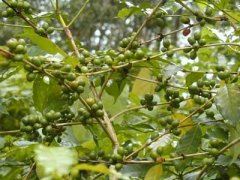
Boutique coffee beans introduce Brazilian bourbon Santos coffee
Brazil Bourbon Santos Coffee Brazil is the world's largest coffee producer, known as the coffee country. Italian espresso (ESPRESSO), commonly drunk around the world, is usually brewed with Brazilian coffee, which sometimes accounts for 90% or more of ESPRESSO. Brazil grows many kinds of coffee, and most of them are not of high quality, but
2014-11-11 Coffee knowledge boutique coffee beans Brazilian bourbon Santos coffee
High-quality coffee bean producing countries introduce Brazilian coffee
Brazil is vividly compared to the giant and monarch of the coffee world. There are about 3.97 billion coffee trees there, and small farmers now grow 75% of the country's coffee. The number of coffee producers in Brazil is twice or even three times that of Colombia, the second largest coffee producer in the world. Coffee production in Brazil: Mi in southeastern Brazil
2015-05-14 Boutique coffee beans producing countries introduction Brazil coffee image dibi metaphor
Introduction to the characteristics of Brazilian Coffee processing and Flavor Flavor Coffee Bean production area
Although coffee is diverse, Brazilian coffee is suitable for the taste of the public. For example, coffee produced in the northern coastal areas has a typical iodine taste, reminiscent of the sea after drinking. This coffee is exported to North America, the Middle East and Eastern Europe. Another kind of coffee that is interesting and worth looking for is washed Bahia. This kind of coffee is not easy to find, because after the United States
2016-09-20 Brazil coffee processing way flavor boutique coffee beans producing areas characteristics introduction
The origin of coffee beans introduces the common sense of Brazilian coffee beans
Brazilian coffee generally refers to coffee produced in Brazil. There is a wide variety of Brazilian coffee, the vast majority of which are unwashed and sun-dried, classified according to the name of the state of origin and the port of transport. Brazil has 21 states and 17 states produce coffee, but four of them produce the largest, accounting for 98% of the country's total output. Brazilian coffee has a low sour taste, which goes well with coffee.
2015-01-08 Coffee beans origin introduction Brazil common sense coffee generally refers to produced species
Taste characteristics of Brazilian coffee varieties with sweet and smooth fragrance and bitter taste introduction to the flavor of fine coffee beans in the manor
Brazilian coffee generally refers to coffee produced in Brazil. There is a wide variety of Brazilian coffee, the vast majority of which are unwashed and sun-dried, classified according to the name of the state of origin and the port of transport. Brazil has 21 states and 17 states produce coffee, but four of them produce the largest, accounting for 98% of the country's total output. Brazilian coffee has a low sour taste, which goes well with coffee.
2016-09-03 Fragrance slippery incidental bitter Brazilian coffee variety taste characteristics manor
Coffee beans Brazilian Santos Coffee Raw beans Brazil Santos Coffee
Although Brazil produces 30 to 35% of the world's coffee annually, ranking first in the world, none of the Brazilian beans can be called the top coffee. The mountains are covered with coffee trees in southern Brazil, but Santos is the only one that can be put on the table; most of the other hastily processed beans are used to make instant coffee and easy-to-open coffee. Growth of Santos coffee
2014-09-05 Coffee beans Brazilian Santos coffee raw beans Brazilian boutique coffee beans
Introduction to the characteristics of Brazilian Coffee Flavor and Fruit Coffee beans
The Portuguese expedition established a colony in Pakistan in the 1630s. The Governor was appointed in 1549. The entire colony was then United along the Atlantic coast under Portuguese rule. The French invaded in 1555, occupied the equivalent of present-day Rio de Janeiro, and intended to set up a French colonial stronghold in South America. However, because the French were unable to attract colonists from Europe,
2016-09-21 Brazil coffee flavor taste manor producing area characteristics boutique coffee beans introduction
An introduction to the characteristics of Brazilian coffee boutique coffee bean flavor and taste manor with endless coffee plantations
There are many large farms in Brazil, which run endless coffee plantations. They use machines to harvest and dry them. They are so efficient in automation that they regard coffee as a general agricultural material and completely abandon the flavor and flavor. As a result, many select coffee companies simply do not sell Brazilian beans so as not to demean themselves. In select coffee shops, Santos in Brazil still appears occasionally.
2016-09-12 Endless coffee garden Brazil coffee boutique coffee beans flavor taste manor
Mild aromas Brazilian coffee Flavor description Treatment characteristics Variety Taste
Coffee production has gradually become a science since the introduction of coffee trees from Guyane française in 1720. Before 1990, the Brazilian government strictly controlled the coffee industry, with both severe interference and price protection measures, and the state has always implemented minimum price protection measures for farmers, resulting in coffee overproduction. Before World War II, surplus stocks amounted to 780
2016-10-15 Aroma Softness Brazilian Coffee Flavor Description Handling Characteristics Variety Taste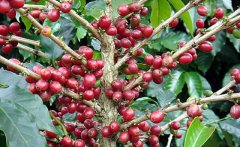
The taste of Brazilian coffee has a low sour taste, matching the sweet and bitter taste of coffee with beans.
Brazilian coffee is a low-acidity, moderately roasted coffee bean from the World Coffee Center. As a kind of high-quality coffee, Brazilian coffee can be drunk individually or mixed. ● quality beans: Sangdo-style NO.2, size NO.18 ● flavor characteristics: mild, bitter medium, soft flavor. The best fried degree of ●: medium fried Brazilian coffee has a low sour taste.
2016-05-19 Brazil coffee taste with low sour match bitter blending
Boutique coffee beans-details of Brazilian coffee beans take you into the mysterious world of coffee
Brazilian coffee generally refers to coffee produced in Brazil. There is a wide variety of Brazilian coffee, the vast majority of which are unwashed and sun-dried, classified according to the name of the state of origin and the port of transport. Brazil has 21 states and 17 states produce coffee, but four of them produce the largest, accounting for 98% of the country's total output. Brazilian coffee has a low sour taste, which goes well with coffee.
2015-11-30 Boutique coffee beans Brazil details introduction take you walk into coffee mystery world
The latest introduction of fine coffee, raw beans, Brazilian coffee
Brazilian coffee generally refers to coffee produced in Brazil. There is a wide variety of Brazilian coffee, the vast majority of which are unwashed and sun-dried, classified according to the name of the state of origin and the port of transport. Brazil has 27 states and 17 states produce coffee, but four of them produce the largest, accounting for 98% of the country's total output. Brazilian coffee has a low sour taste, which goes well with coffee.
2015-12-01 Boutique coffee raw beans Brazil the latest introduction generally refers to produced in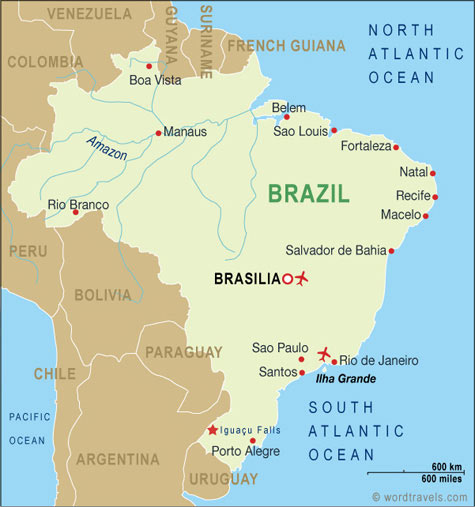
What kind of coffee beans do you have in Brazil? what do you have in Brazil? how do you drink Brazilian coffee?
The name of Brazilian coffee: Brazil Santos 2 mentions Brazilian coffee, the most famous of which is Brazil Santos, which is called Brazil Bourbon Santos when raw coffee beans are Arabica bourbon. Santos is generally translated as Sandos and Santos in Chinese. Santos is located in the state of Sao Paulo, Brazil, a seaport city, from the state capital of Sao Paulo (Sao Pa)
2015-12-18 World Coffee Manor producing area introduction Xishan Doshi Brazil Sa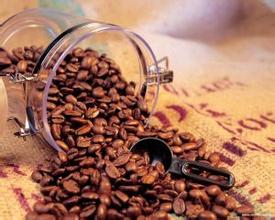
The latest introduction and information details of fine coffee beans and Brazilian coffee
Brazilian coffee generally refers to coffee produced in Brazil. There is a wide variety of Brazilian coffee, the vast majority of which are unwashed and sun-dried, classified according to the name of the state of origin and the port of transport. Brazil has 27 states and 17 states produce coffee, but four of them produce the largest, accounting for 98% of the country's total output. Brazilian coffee has a low sour taste, which goes well with coffee.
2015-12-23 Boutique coffee beans Brazil coffee latest introduction information details
Brazilian Santos coffee beans are characterized by smooth taste.
Brazil is located in South America, about 15 degrees south latitude. Brazilian coffee culture began in 1727 and sprang up in the north of Brazil when a Mr. Francesco de MeloPalheta smuggled coffee seeds from France to Brazil. At that time, this was strongly opposed by the French who monopolize the coffee business today. Those seeds are the ancestors of more than 300 million Brazilian coffee trees today. In the early morning
2015-06-04 Brazil Doss coffee beans characteristics taste smooth located in South America South America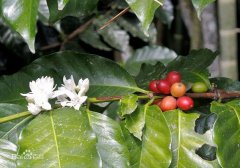
How many treatments are there for Brazilian coffee? Brazilian coffee flavor
The four most common treatment methods of Brazilian coffee are natural solarization, desizing, semi-washing and water washing, among which natural solarization is the most popular. Since the harvest seasons in Brazil's two main producing areas, Serrado Minero (CerradoMineiro) and Mogiana Paulista (Mogiana Paulista), are both dry seasons of the year, natural solarization is popular in this region.
2016-06-06 Brazil coffee how much treatment way flavor common four kinds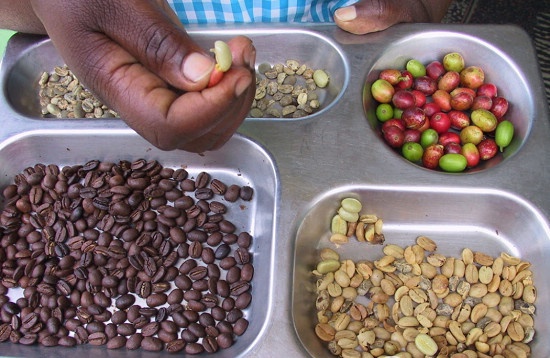
Sweet and slippery fragrance slightly bitter Brazilian coffee varieties taste manor characteristics introduction to the flavor of fine coffee beans
Brazilian coffee generally refers to coffee produced in Brazil. There is a wide variety of Brazilian coffee, the vast majority of which are unwashed and sun-dried, classified according to the name of the state of origin and the port of transport. Brazil has 21 states and 17 states produce coffee, but four of them produce the largest, accounting for 98% of the country's total output. Brazilian coffee has a low sour taste, which goes well with coffee.
2016-09-05 Fragrance by the way bitter Brazil coffee variety taste manor characteristics boutique
Description of Brazilian Coffee Flavor with mild Flavor characteristics of Grinding degree Variety Price Brand introduction
There are many large farms in Brazil, which run endless coffee plantations. They use machines to harvest and dry them. They are so efficient in automation that they regard coffee as a general agricultural material and completely abandon the flavor and flavor. As a result, many select coffee companies simply do not sell Brazilian beans so as not to demean themselves. In select coffee shops, Santos in Brazil still appears occasionally.
2016-10-12 Aroma soft Brazilian coffee flavor description grinding characteristics variety price
The soft flavor of Brazilian coffee introduces the taste of Brazilian coffee producing area.
The largest coffee producer, which accounts for 1/3 of the world's coffee consumption, accounts for 1/3 of the world's coffee consumption and has a place in the global coffee market, although Brazil faces several times more natural disasters than other regions. but its acreage is enough to make up for it. Brazilian coffee fruit there are many kinds of coffee here, but its industrial policy is large and cheap.
2016-07-27 Aroma soft Brazilian coffee flavor introduction production area taste this big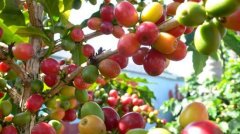
The three main coffee producing areas of Brazil, Minas Gerais (Minas Gerais) and Sao Paulo
Brazil (Brazil) aroma 3 minutes brightness 3.5 minutes mellow flavor 4 minutes aftertaste 4 points suitable for baking: City/Full city/Espresso used as Espressode beans should not be baked too deep, because the producing area is low altitude, the bean density is low, the pot under deep baking produces coke bitterness, it is best to start the pot before the second explosion. As for high-end Brazilian beans, they can be baked more widely.
2016-06-19 Brazil three main coffee producing areas Nass Russ Minas Ger